
AppsFromResearch
Suicide Lifeguard icon

Suicide Lifeguard

Evidence Tier:DOCUMENTED

Published in academic literature

For:Clinicians & Healthcare ProfessionalsGeneral Public & EnthusiastsPatients & Caregivers

App Summary

Suicide Lifeguard is an educational resource for friends, family, or anyone concerned that someone they know may be at risk for suicide, providing guidance on how to recognize warning signs, respond, and connect them to care. The associated research on suicide prevention apps concludes that their design should be strongly supported by health personnel to improve effectiveness. Developed by a collaboration between the Missouri Institute of Mental Health and the Missouri Department of Mental Health, this app provides an expert-informed framework to help users support someone through a suicidal crisis.

App Screenshots

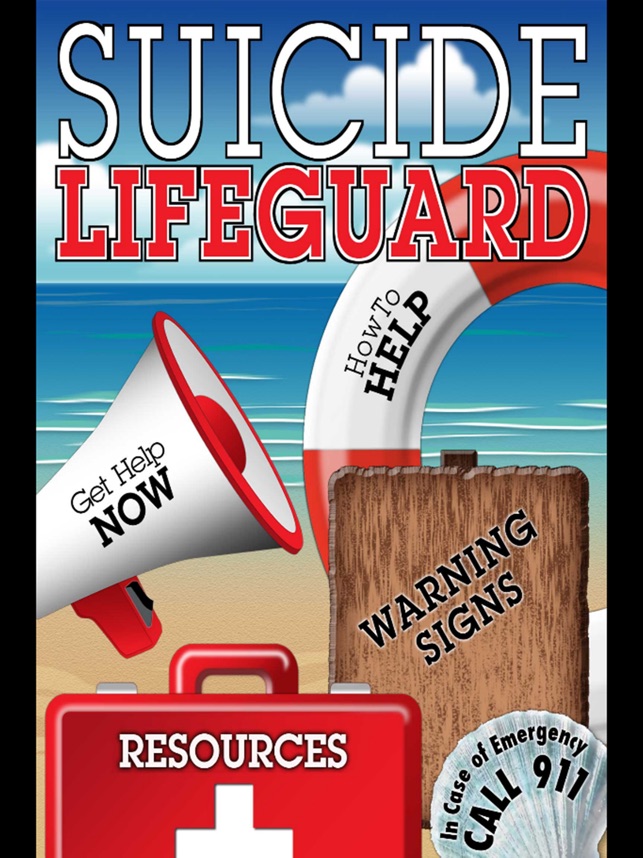
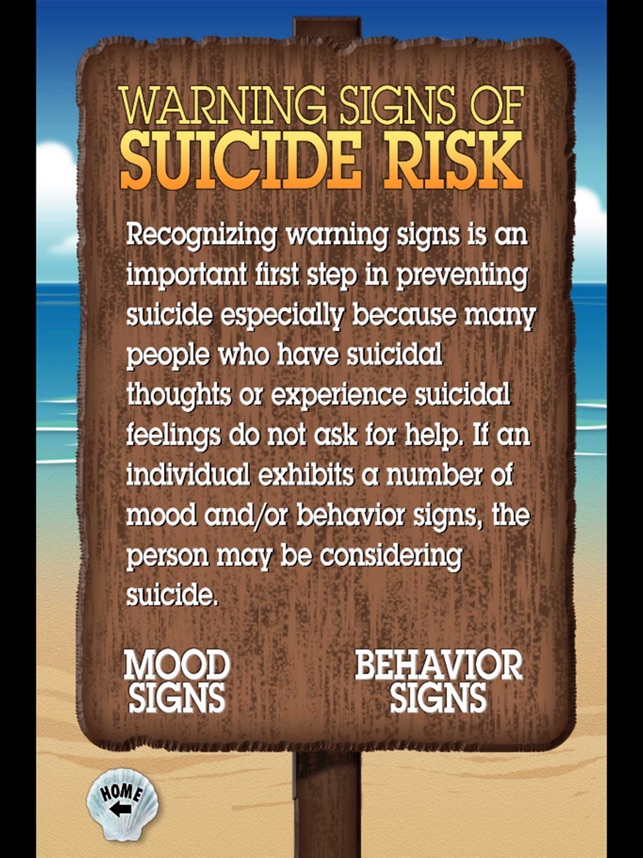
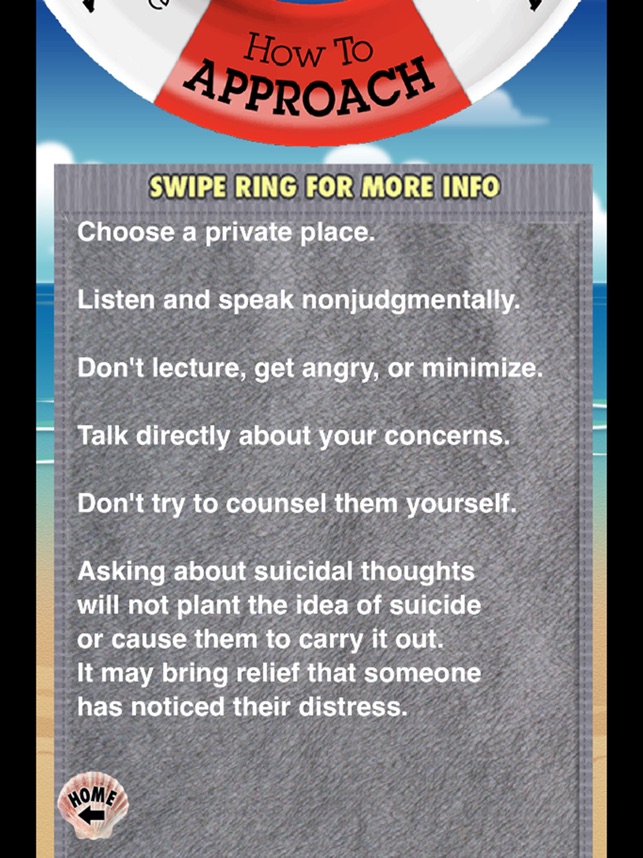
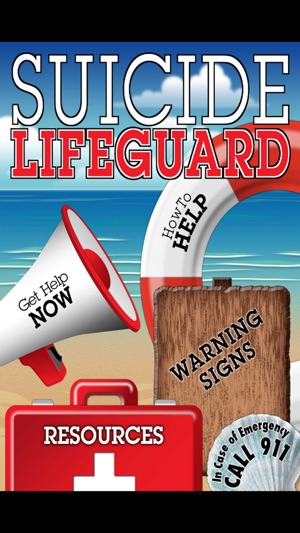
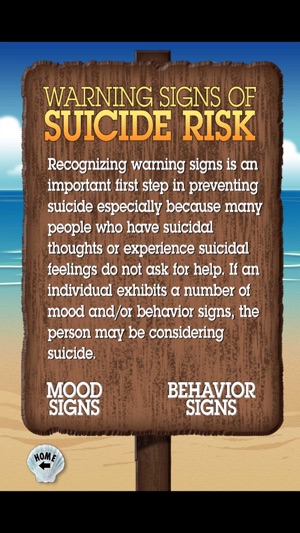
Suicide Lifeguard screenshot 1 of 10Suicide Lifeguard screenshot 2 of 10Suicide Lifeguard screenshot 3 of 10Suicide Lifeguard screenshot 4 of 10Suicide Lifeguard screenshot 5 of 10Suicide Lifeguard screenshot 6 of 10Suicide Lifeguard screenshot 7 of 10Suicide Lifeguard screenshot 8 of 10Suicide Lifeguard screenshot 9 of 10Suicide Lifeguard screenshot 10 of 10

Detailed Description

Functionality & Mechanism

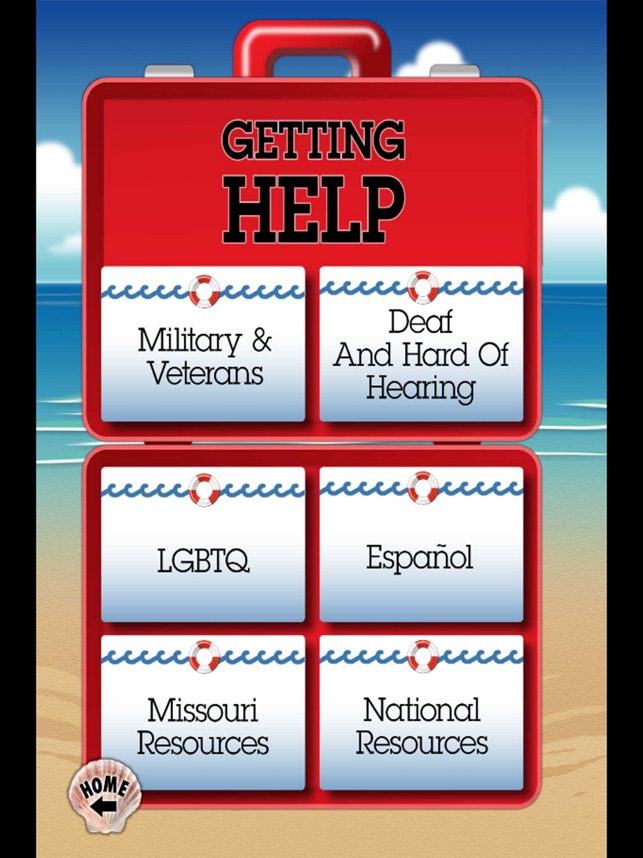
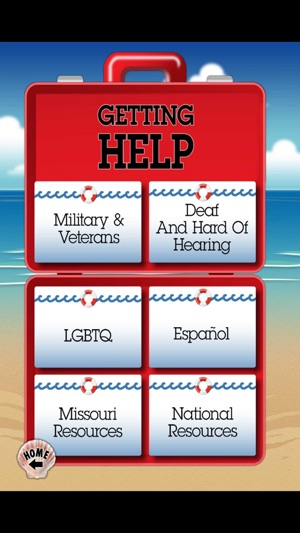
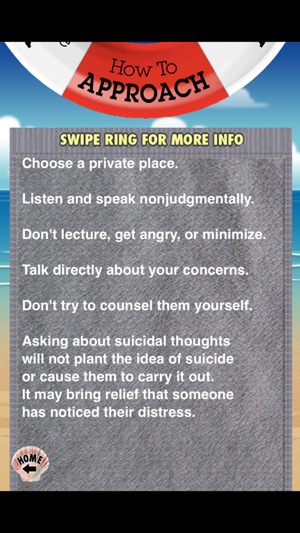
Developed by the Missouri Suicide Prevention Project, Suicide Lifeguard is a psychoeducational resource designed for individuals concerned about another person's suicide risk. The system delivers pedagogical content structured around four key actions: recognizing warning signs, inquiring about suicidal ideation, responding appropriately, and referring to professional services. The interface facilitates immediate connection to the National Suicide Prevention Lifeline and provides curated resource directories for specific populations, including military personnel, veterans, and LGBTQ individuals.

Evidence & Research Context

  • The application was developed by the Missouri Suicide Prevention Project, a collaboration between the Missouri Institute of Mental Health and the Missouri Department of Mental Health.
  • Suicide Lifeguard was included in a 2019 descriptive analysis of 16 publicly available mobile apps designed for suicide prevention.
  • The associated research underscores that the design and development of such prevention apps should be strongly supported by clinical personnel to optimize their effectiveness.

Intended Use & Scope

This application is designed for the general public to function as a gatekeeper training and resource navigation tool. Its primary utility is to equip concerned individuals with information to recognize risk and connect another person to care. The system is not a diagnostic instrument or a substitute for professional clinical assessment and crisis intervention.

Studies & Publications

1 publication

Peer-reviewed research associated with this app.

Non-Evaluative Reference

Suicide Prevention Mobile Apps: Descriptive Analysis of Apps from the Most Popular Virtual Stores

Castillo-S et al. (2019) · JMIR mHealth and uHealth

Referenced in academic literature; no direct evaluation of the app
Background Provision of follow-up and care during treatment of people with suicidal intentions is a challenge for health professionals and experts in information and communications technology (ICT). Therefore, health professionals and ICT experts are making efforts to carry out these activities in collaboration by using mobile apps as a technological resource. Objective This study aimed to descriptively analyze mobile apps aimed at suicide prevention and to determine relevant factors in their design and development. In addition, it sought to analyze their impact on the support of treatment for patients at risk for suicide. Methods We considered 20 apps previously listed in the article "Mobile Apps for Suicide Prevention: Review of Virtual Stores and Literature" (de la Torre et al, JMIR mHealth uHealth 2017;5[10]:e130). To find the apps in this list, the most popular app stores (Android and iOS) were searched using the keyword "suicide prevention." The research focused on publicly available app information: language, platform, and user ratings. The results obtained were statistically evaluated using 16 parameters that establish various factors that may affect the choice of the user, and the consequent support that the app can offer to a person at risk for suicide. Results Of the 20 mobile apps, 4 no longer appeared in the app stores and were therefore excluded. Analysis of the remaining 16 apps sampled showed the following: (1) a high percentage of the apps analyzed in the study (n=13, 82%) are provided in English language; (2) the sampled apps were last updated in 2017, when only 45% of them were updated, but the constant and progressive update of treatments should be reflected in the apps; and (3) the technical quality of these apps cannot be determined on the basis of the distribution of scores, because their popularity indices can be subjective (according to the users). User preference for a particular operating system would require further, more specific research, including study of the differences in the technical and usability aspects between both platforms and the design of medical apps. Conclusions Although there are positive approaches to the use of apps for suicide prevention and follow-up, the technical and human aspects are yet to be explored and defined. For example, the design and development of apps that support suicide prevention should be strongly supported by health personnel to humanize these apps, so that the effectiveness of the treatments supported by them can be improved.
... Read More

Suicide Lifeguard

Free