

TickAttack!
Published in academic literature
App Summary
App Screenshots






Detailed Description
Functionality & Mechanism
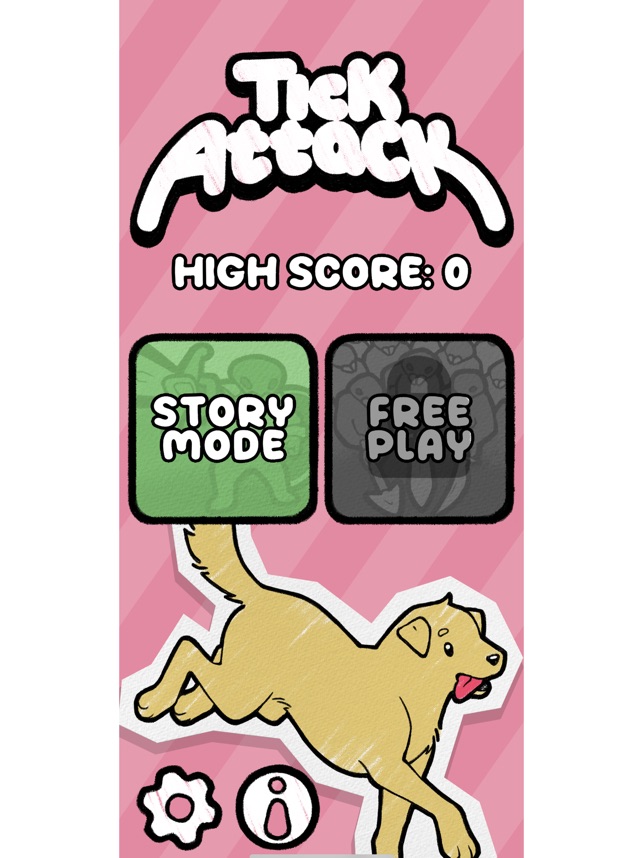
Developed by the Drexel University College of Medicine, TickAttack! is a public health tool that delivers pedagogical content on tick-borne disease prevention through a game-based learning interface. The system is designed for a broad audience and leverages interactive modules to instruct on tick identification, habitat awareness, and personal protective measures. The game-based format is engineered to reinforce key learning objectives and enhance knowledge retention regarding practices for preventing tick exposure and associated illnesses.
Evidence & Research Context
- The application is an example of digital game-based learning (DGBL), a pedagogical approach documented in educational research to enhance learner motivation.
- Associated research in higher education contexts explores the faculty experience of designing and implementing DGBL tools like TickAttack! as creative solutions to specific instructional challenges.
- A multi-case study reports that educators adopting this modality are often intrinsically motivated and describe their implementation experiences as positive, with support from institutional administration and peers.
Intended Use & Scope
This tool is designed for the general public as a supplementary resource for public health education. Its primary utility is to disseminate foundational knowledge on tick-borne disease prevention in an engaging format. The application does not provide medical advice, diagnosis, or treatment and is not a substitute for consultation with a qualified healthcare professional.
Studies & Publications
Peer-reviewed research associated with this app.
Getting Into the Game: an Explanatory Case Study to Examine The Experiences of Faculty Incorporating Digital Game Based Learning in Higher Education
Comunale et al. (2017) · Doctoral dissertation, Drexel University
Faculty who adopted game-based learning reported positive experiences during design and implementation phases.App Information
Developer
Drexel UniversityCategory
Evidence Profile
Published in academic literature
Platforms
Updated
Apr 2024
© 2025 Drexel University
Tags
Relevant Links
Privacy Policy


TickAttack!
Free