
VetChange
Validated in clinical trials · Supported by multiple studies
App Summary
App Screenshots

Detailed Description
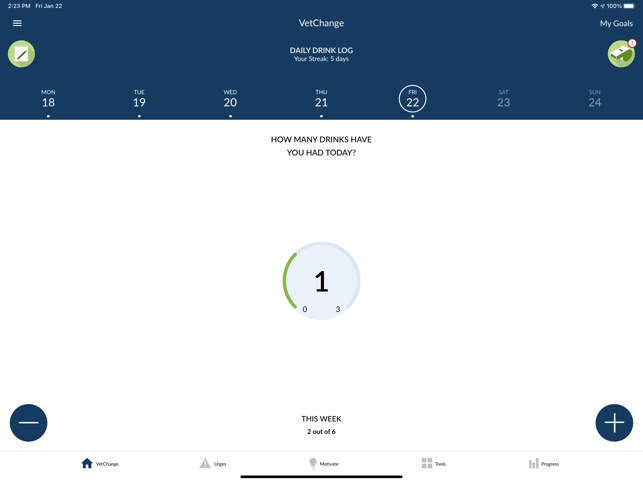
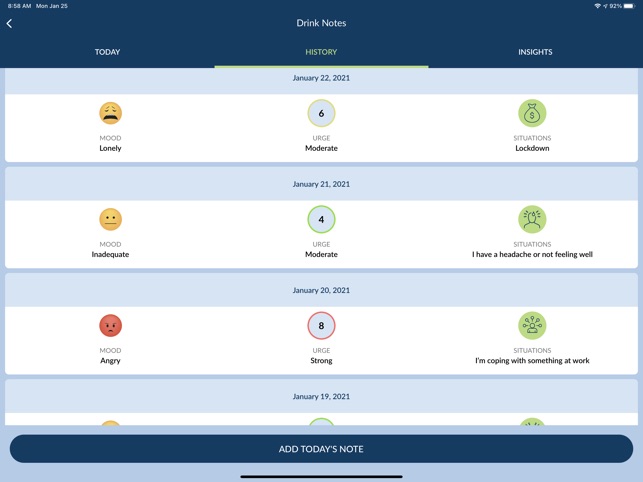
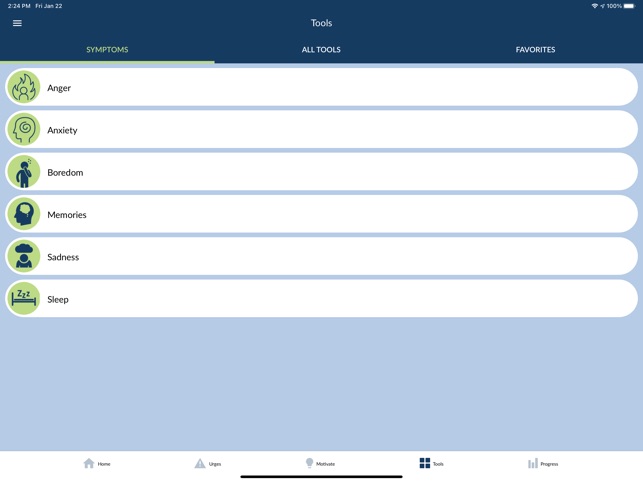
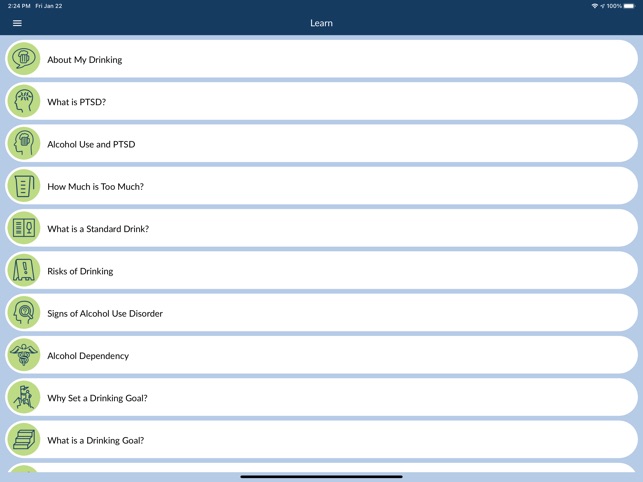
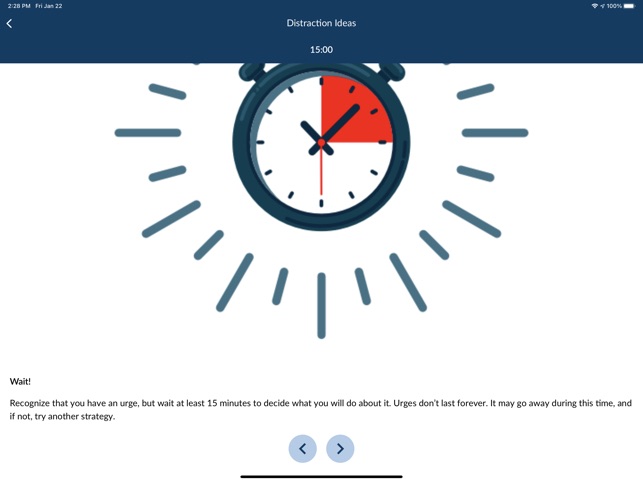
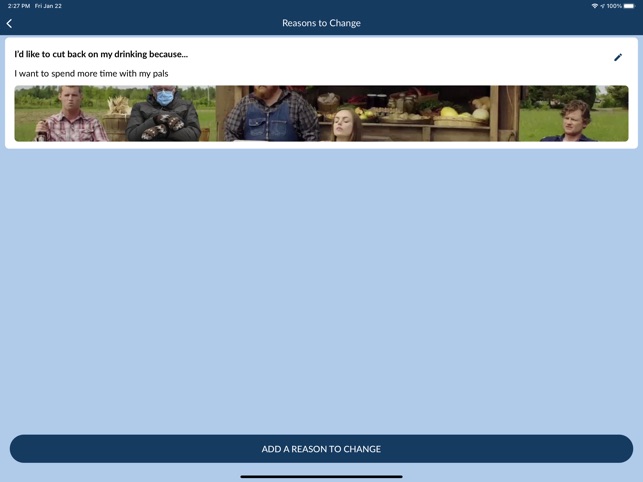
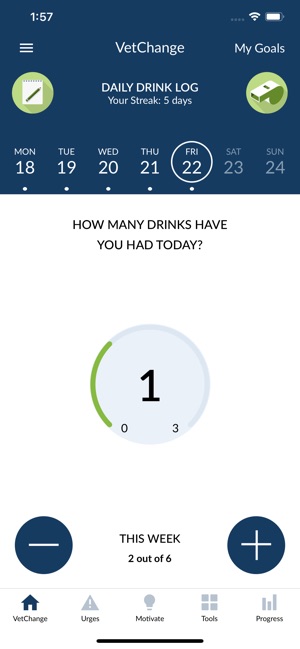
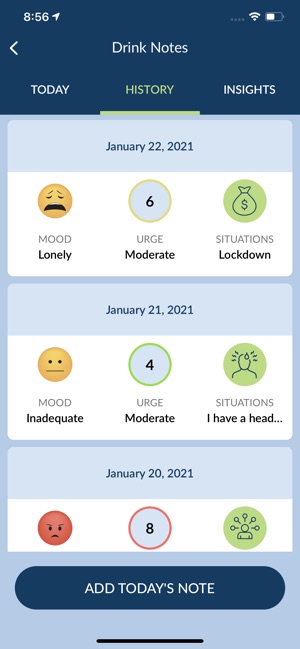
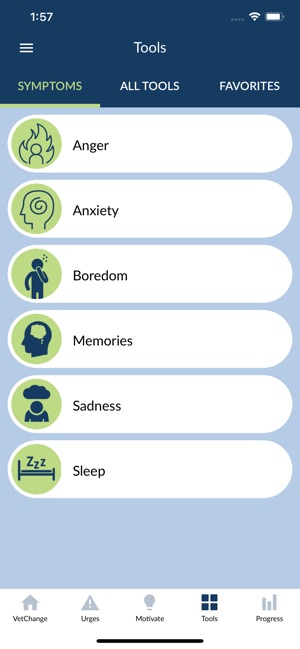
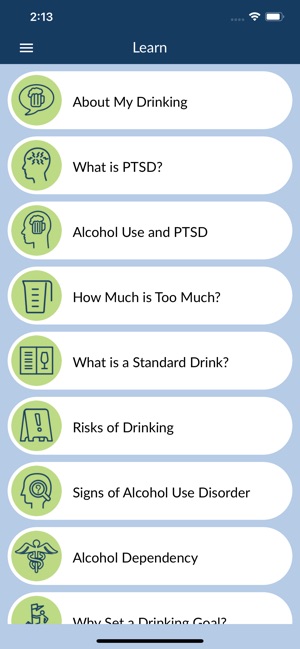
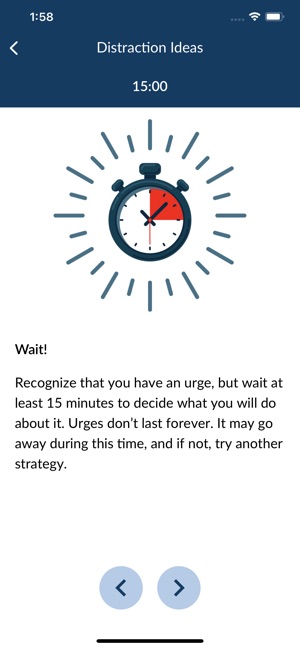
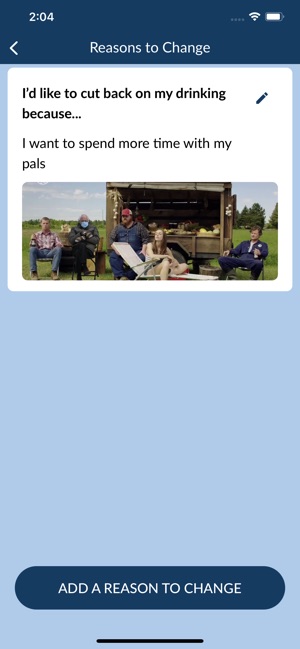
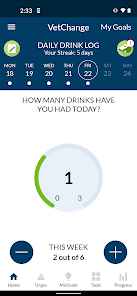
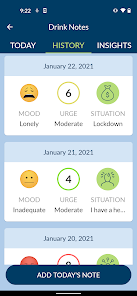
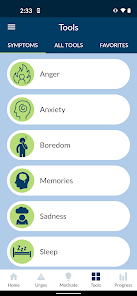
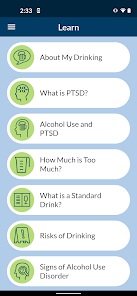
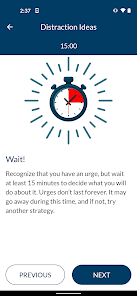
Functionality & Mechanism Developed for veterans and service members, VetChange is a self-administered, multi-module intervention grounded in motivational and cognitive-behavioral principles. The system facilitates the self-monitoring of alcohol consumption in relation to mood and stress triggers. Through interactive tools and pedagogical content, the program guides users in developing skills to manage urges and posttraumatic stress symptoms. It also contains curated links to community resources and professional treatment referrals for further support and engagement with clinical care.
Evidence & Research Context
- A randomized controlled trial (N=600) of OEF/OIF veterans demonstrated the intervention's efficacy in significantly reducing alcohol consumption, alcohol-related problems, and posttraumatic stress symptoms compared to a waitlist control.
- A subsequent nationwide evaluation study confirmed that, despite modest engagement rates in a public implementation, users showed significant, sustained improvements in drinking, PTSD, and quality of life at a six-month follow-up.
- Associated research (N=222) indicates that while all users benefited, men demonstrated significantly greater reductions in weekly drinks than women, suggesting outcomes may differ by gender and that content adaptations could be beneficial.
Intended Use & Scope The application is designed as a self-management tool for veterans and service members seeking to reduce problematic alcohol consumption related to posttraumatic stress. It can function as a standalone intervention or as an adjunct to formal clinical care. This tool does not provide diagnosis and is not a substitute for professional treatment.
Studies & Publications
Peer-reviewed research associated with this app.
Differential alcohol treatment response by gender following use of VetChange
Livingston et al. (2021) · Drug and Alcohol Dependence
Reduced alcohol use and PTSD symptoms overall, but women experienced significantly less improvement in drinking than men.
Public implementation of a web-based program for veterans with risky alcohol use and PTSD: A RE-AIM evaluation of VetChange
Enggasser et al. (2021) · Journal of Substance Abuse Treatment
Reached diverse veterans nationwide and significantly improved drinking, PTSD symptoms, and quality of life over six months.
In the Media
VetChange
The VA.gov sign-in portal provides access to VetChange and other VA services through a United States federal government information system, offering 24/7 support through the MyVA411 main information line at 800-698-2411 (TTY: 711). Users can access answers to common questions about signing in and verifying their identity through the platform. The secure government system requires authentication to access VA resources and benefits.
VetChange Featured on Google's Veteran Support Website
Military veterans experience disproportionate rates of PTSD, depression, anxiety, and substance use disorder, yet more than half aren't receiving needed mental health care due to barriers including accessing affordable care, overcoming stigmas, and privacy concerns. Google featured VetChange on its veteran support website to help address these challenges. The platform aims to reduce barriers preventing veterans from seeking psychological support through accessible digital resources.
For the Health of All.
The Boston University School of Public Health promotes access to cutting-edge advancements in research, scholarship, and public health practice as a top-ranked institution offering a top-tier education with an on-the-ground mission. The school provides community members with opportunities to engage in innovative public health work. The institution positions itself as a leader in public health education and practice.
#BorneTheBattle 111: Benefits Breakdown VetChange App
VA created VetChange to help Veterans who use alcohol to cope with emotional distress following deployment or transition out of the military, addressing behaviors where moderate drinking turns to heavy consumption and the body shows signs of wear. The app provides support for Veterans struggling with alcohol use patterns that develop as coping mechanisms. The tool aims to help Veterans recognize and address problematic drinking behaviors before they escalate.
#BorneTheBattle 94: Benefits Breakdown Smoke Quitline
The author describes smoking for nearly ten years from ages 18-19 through their late 20s, trying numerous methods to quit the habit, finding it easier after leaving the military but still challenging. Years after quitting, occasional cravings persist, especially around other smokers, reinforcing that "a support system is always key to success" for overcoming personal challenges like smoking cessation. The personal narrative emphasizes the ongoing nature of addiction recovery.
VetChange Helps Veterans Control Drinking
More than half a million veterans of the Iraq and Afghanistan wars drink at unhealthy levels, with as many as 400,000 suffering from PTSD, and the two issues are more entangled than many veterans realize. According to researchers, "Veterans sometimes drink thinking they're drowning their PTSD symptoms," creating a dangerous cycle of self-medication. VetChange helps veterans control drinking and understand the connection between alcohol use and PTSD symptoms.
App Information
Developer
US Department of Veterans AffairsCategory
Evidence Profile
Validated in clinical trials · Supported by multiple studies
Platforms
Updated
Dec 2023
© 2025 US Department of Veterans Affairs