
Whale Protection Corps.
Expert-developed at a research institution
App Summary
App Screenshots
Detailed Description
Functionality & Mechanism
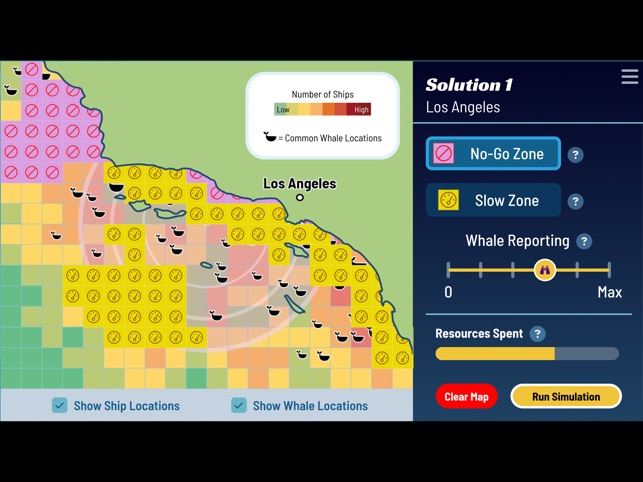
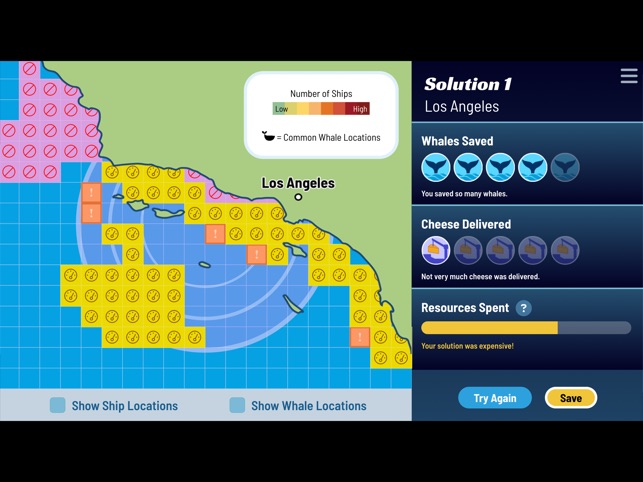
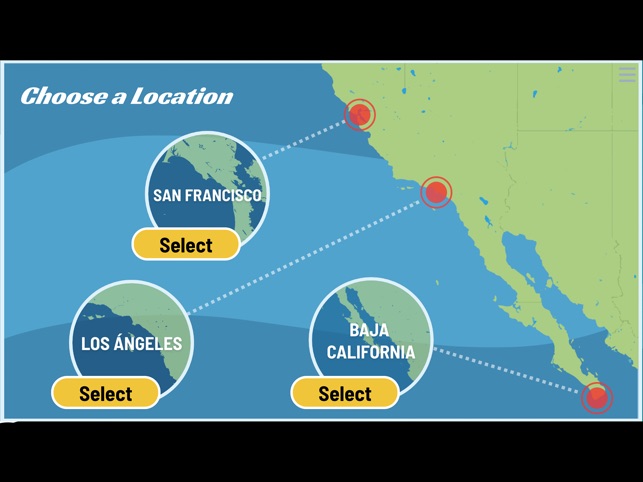
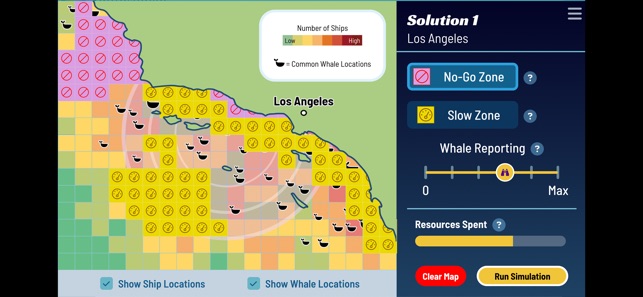
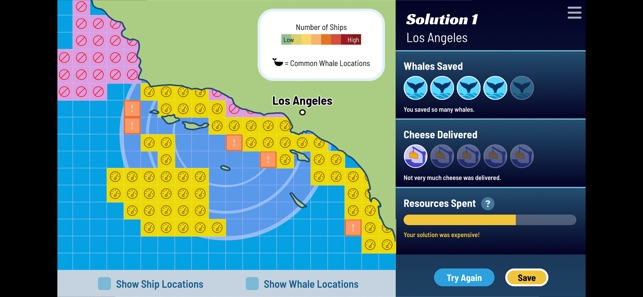
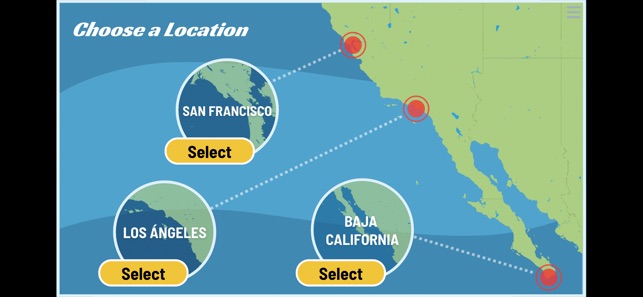
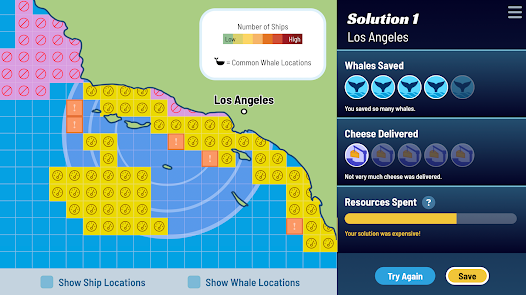
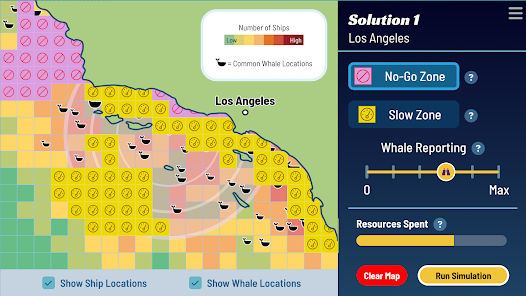
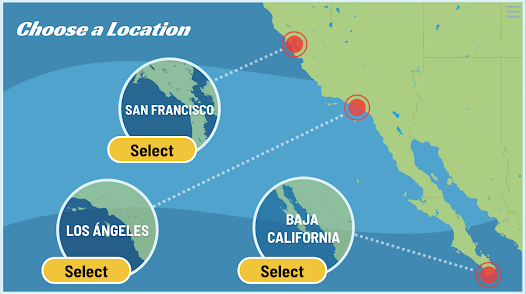
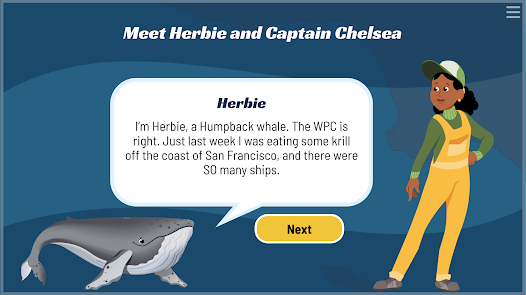
This educational life science simulation, developed by the Smithsonian Science Education Center, addresses the real-world problem of whale-ship collisions. The platform simulates shipping routes and whale migration patterns off the California coast, leveraging real-world data on whale sightings and ship traffic. It tasks players with implementing conservation strategies, such as no-go zones and speed reductions, and then evaluates each solution based on its impact on whale safety, goods delivered, and resources spent, facilitating computational thinking skills.
Development & Context
- The simulation was developed by the Smithsonian Science Education Center with funding from the U.S. Department of Defense STEM office.
- It was created to integrate computational thinking and STEM skills into a third-grade curriculum focused on the real-world problem of whale-ship collisions.
- The unit's activities are modeled on the work of Smithsonian scientist Sarah Mallette, who uses data to study whale movement and ship strike risks.
- The news coverage notes that the platform teaches complex problem-solving by requiring students to balance conservation efforts with economic and resource constraints.
Intended Use & Scope
This simulation is intended for use by third-grade students and educators as part of an integrated science and literacy curriculum. Its primary purpose is educational, designed to support the development of computational thinking and problem-solving skills in a conservation context. The information presented is based on news coverage and is not a substitute for peer-reviewed research.
App Information
Developer
Smithsonian InstitutionCategory
Evidence Profile
Expert-developed at a research institution
Platforms
Updated
Jan 2024
© 2025 Smithsonian Institution