
What Can I Eat?
Validated in clinical trials · Supported by multiple studies
App Summary
App Screenshots
Detailed Description
Functionality & Mechanism
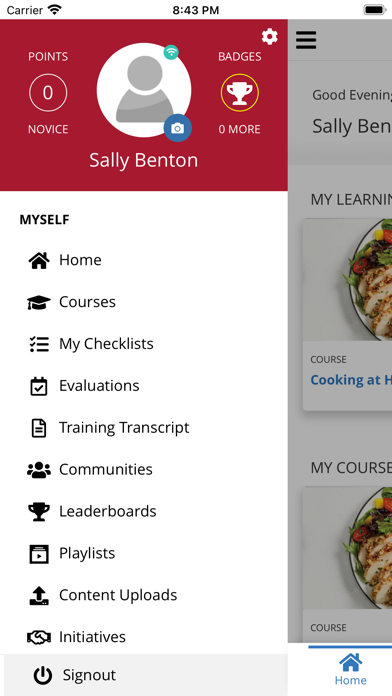
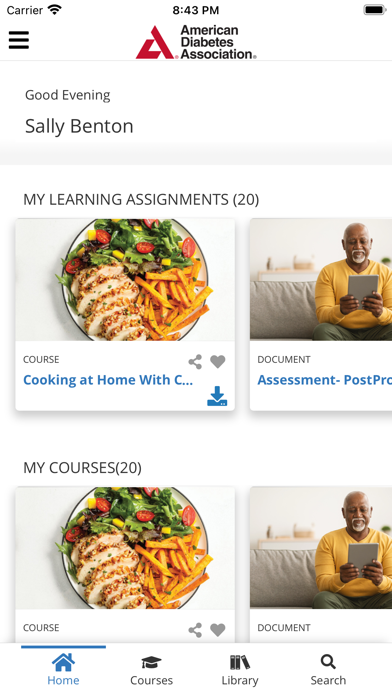
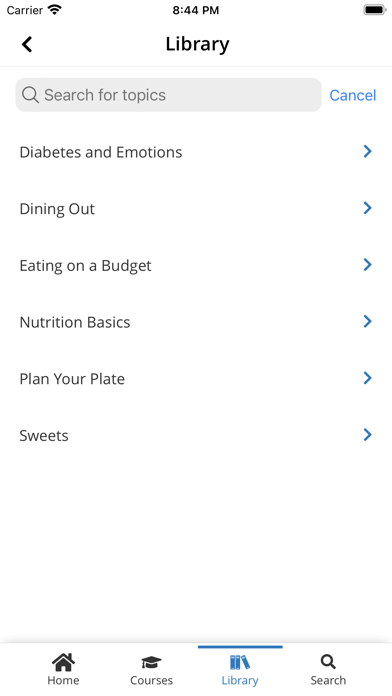
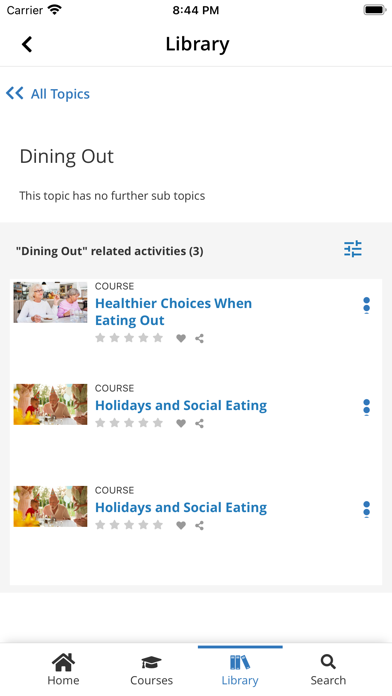
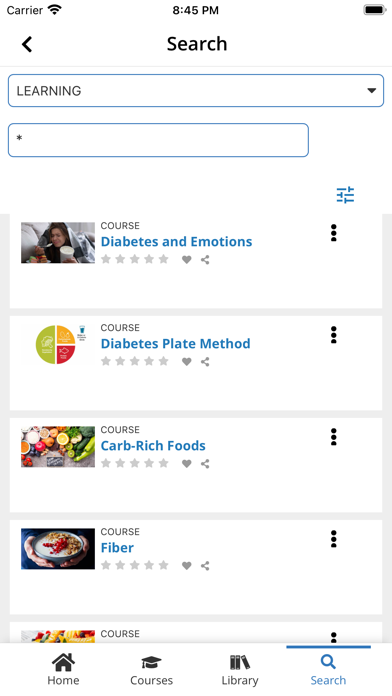
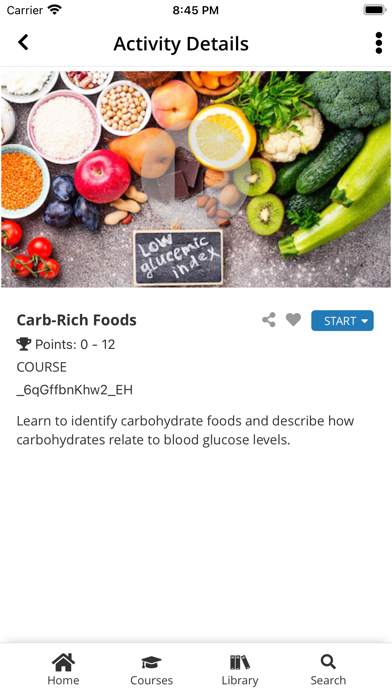
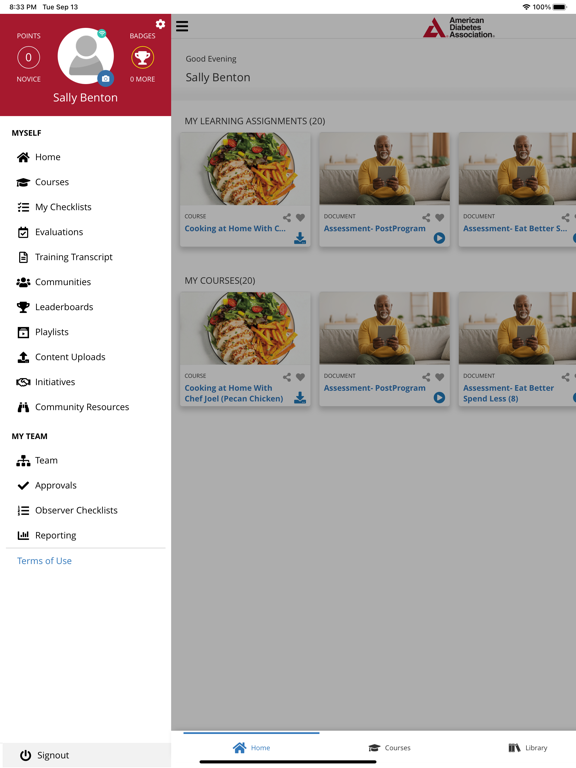
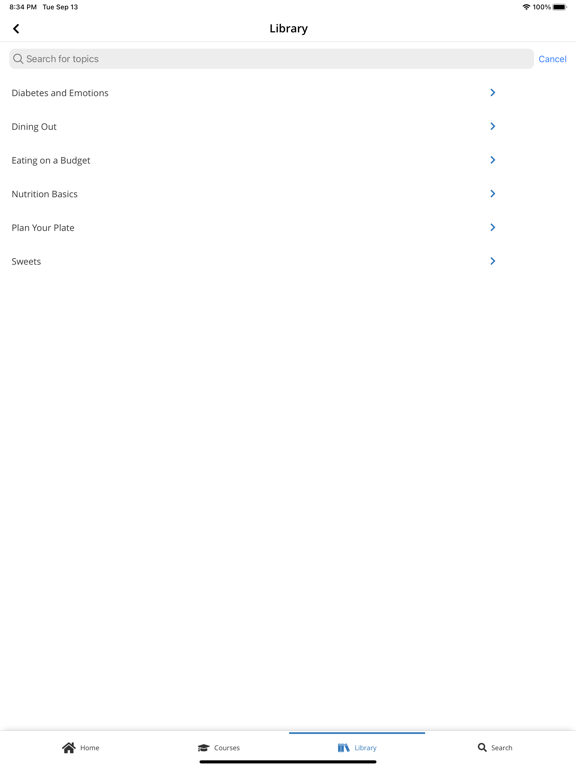
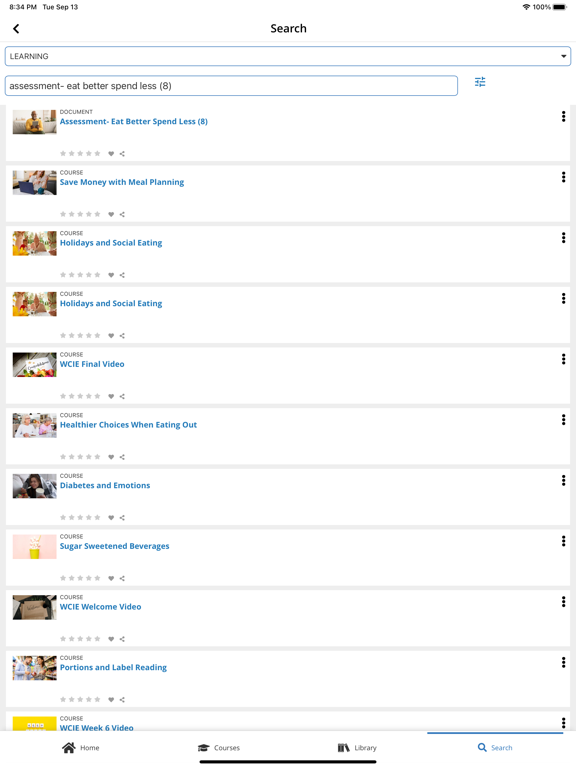
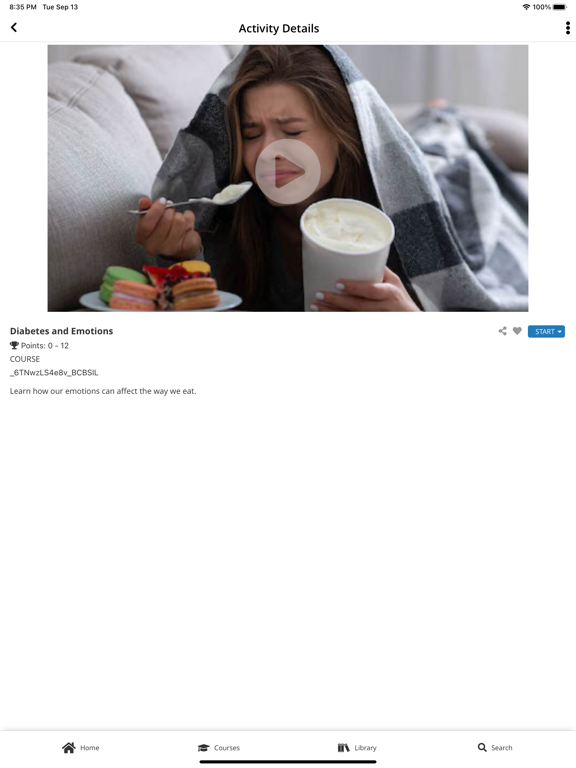
'What Can I Eat?' is an interactive online nutrition education series developed by the American Diabetes Association. It provides modules on creating a nutritious lifestyle, meal planning, nutrition building blocks (carbohydrates, protein, fats), reducing salt, budget-friendly eating, and managing nutrition while dining out. The program aims to teach participants how eating can support diabetes management, facilitate stress-free meal planning, and enable healthy eating on a budget and outside the home.
Evidence & Research Context
- A pilot randomized controlled trial (n=67) evaluating 'What Can I Eat?' (WCIE) for American Indian and Alaska Native (AI/AN) adults with type 2 diabetes (T2D) demonstrated strong feasibility, with 90% class attendance, 93% retention, and high satisfaction.
- This pilot trial indicated trends toward improved self-efficacy for healthy eating (Δ = 0.3-0.6, P < 0.05) and increased use of the American Diabetes Association Diabetes Plate (Δ = 0.7-1.0, P < 0.05).
- A separate pilot randomized waitlist-controlled trial (n=60) with AI/AN adults with T2D found that after 3 months, immediate intervention participants showed significantly improved confidence in using the Diabetes Plate (β = 0.80 [95% CI, 0.56-1.03], P < 0.001) and healthy nutrition behavior (β = 0.88 [95% CI, 0.57-1.19], P = 0.004) compared to the waitlist control group.
- Confidence in making healthy nutrition choices also improved significantly more in the immediate intervention group (β = 0.65 [95% CI, 0.43-0.88], P = 0.02); however, no significant changes were identified in clinical outcomes in this trial.
- A secondary analysis of data from a randomized controlled trial (n=60) confirmed the reliability and validity of self-efficacy and behavior items developed for the AI/AN WCIE program. The factor assessing Confidence in Using the Diabetes Plate was inversely associated with hemoglobin A1c (Pearson correlation = -0.32, P = .0243), and Healthy Nutrition Behavior was inversely associated with hemoglobin A1c (Pearson correlation = -0.38, P = .0057). These are cross-sectional associations, not effects of the program on A1c.
Intended Use & Scope
'What Can I Eat?' is intended for people with type 2 diabetes seeking to improve their nutrition knowledge and eating behaviors. The program focuses on education and behavioral strategies for diabetes management. It does not provide individualized medical advice or replace professional dietary counseling. Users should consult with their healthcare provider for personalized treatment plans and clinical guidance.
Studies & Publications
Peer-reviewed research associated with this app.
Diabetes Nutrition Education and A Food Security Resource for American Indian and Alaska Native Adults With Type 2 Diabetes: A Pilot and Feasibility Randomized Controlled Trial.
Stotz et al. (2026) · Journal of Nutrition Education and Behavior
The study found strong feasibility outcomes and trends suggesting improved self-efficacy for healthy eating and use of the American Diabetes Association Diabetes Plate.
"What Can I Eat?" Healthy Choices for American Indian and Alaska Native Adults With Type 2 Diabetes: Outcomes From a Randomized Waitlist-Controlled Trial of a Diabetes Nutrition Education Program.
Stotz et al. (2025) · Journal of Nutrition Education and Behavior
The program improved participants' confidence in using the Diabetes Plate and making healthy nutrition choices, as well as their healthy nutrition behavior.
App Information
Developer
American Diabetes AssociationCategory
Evidence Profile
Validated in clinical trials · Supported by multiple studies
Platforms
Updated
Aug 2024
© 2026 American Diabetes Association
Tags


What Can I Eat?
Free