
WindNinja Mobile
Validated with strong research evidence
App Summary
App Screenshots
Detailed Description
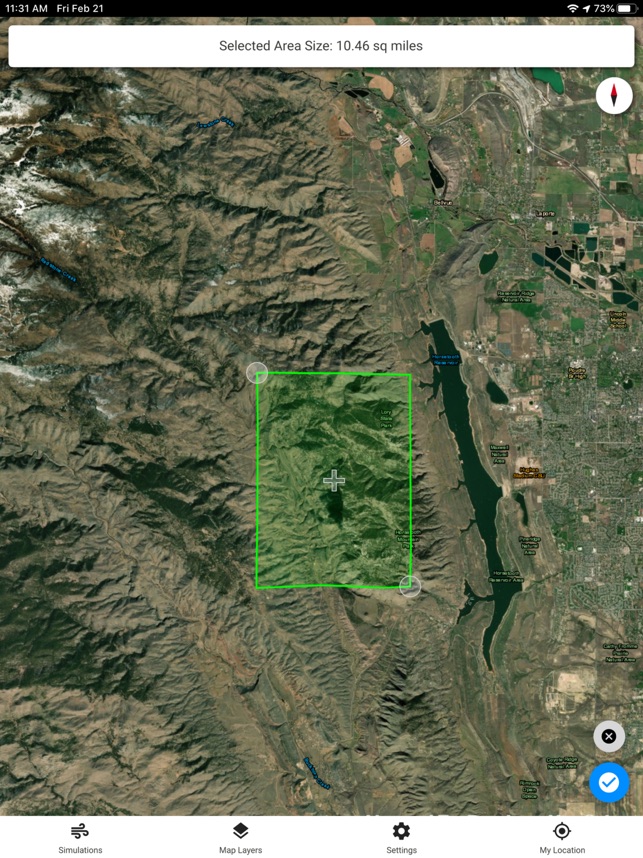
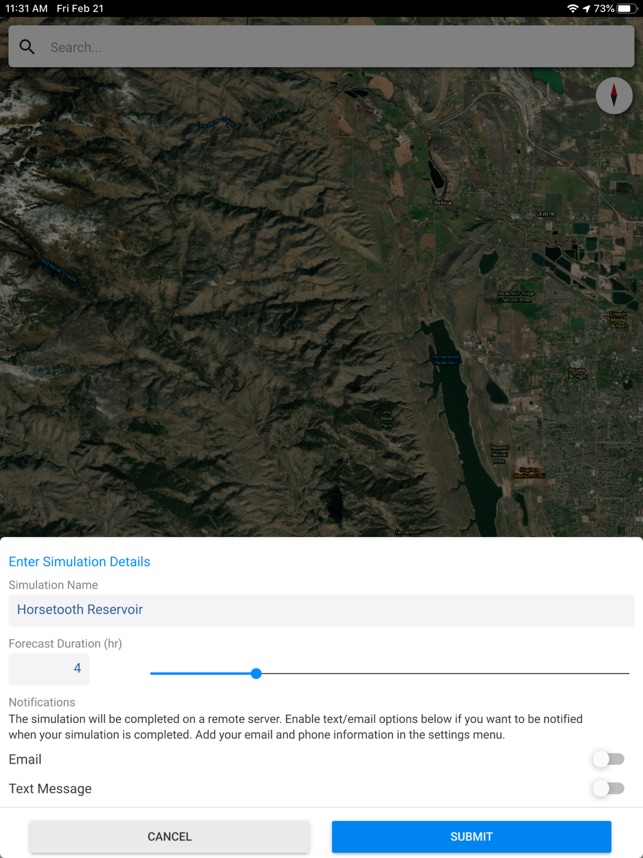
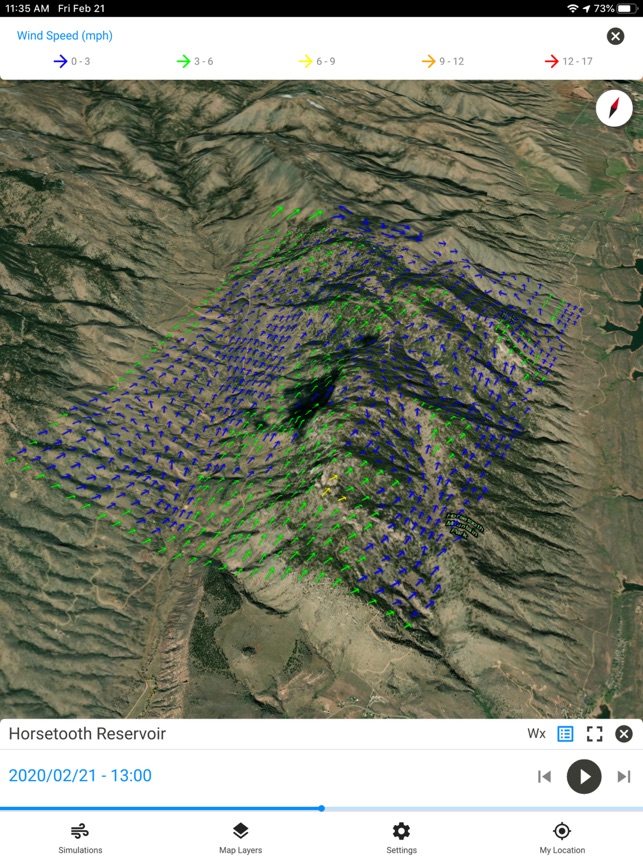
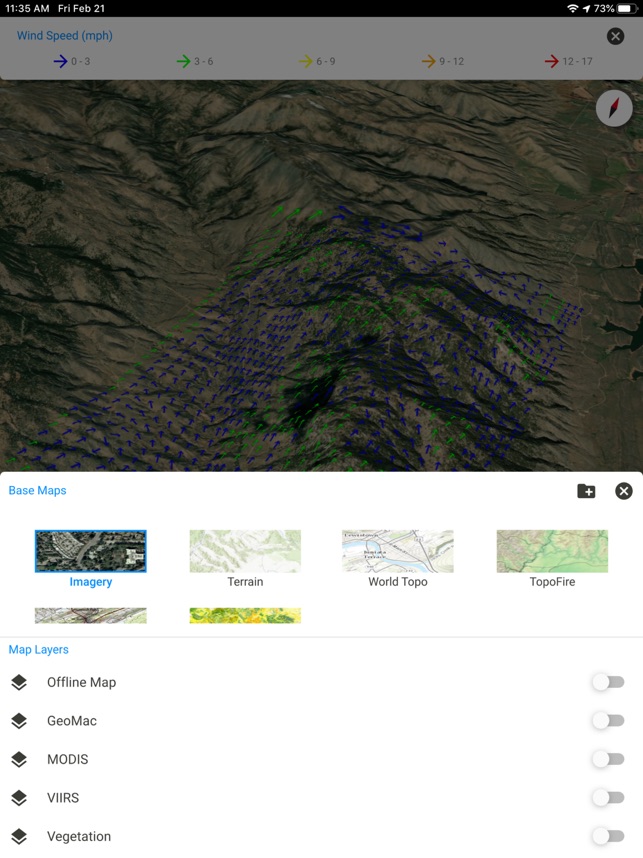
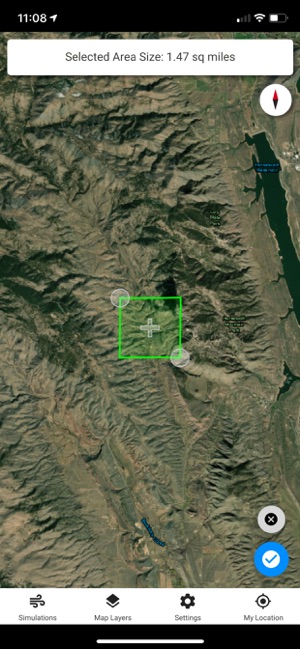
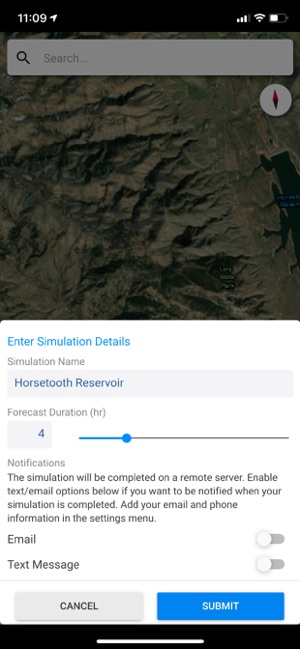
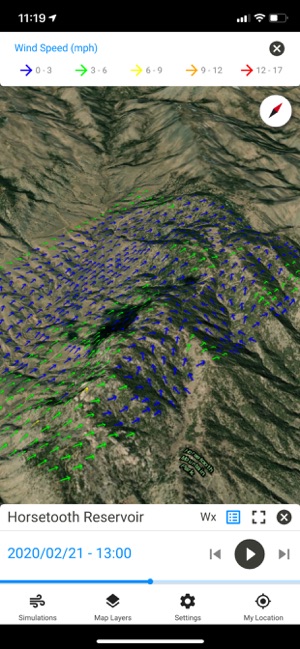
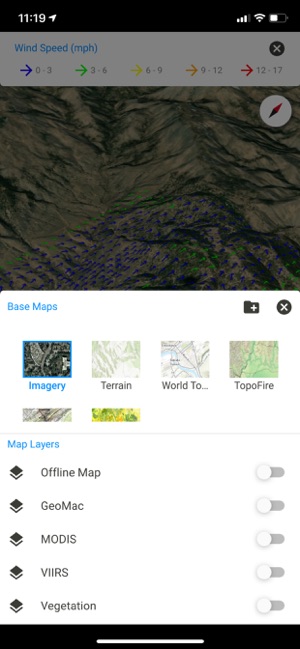
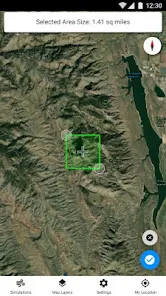
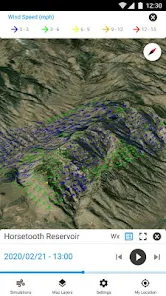
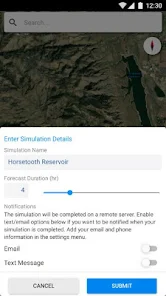
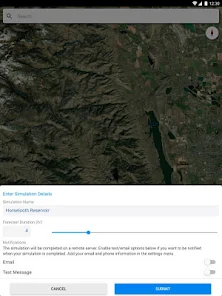
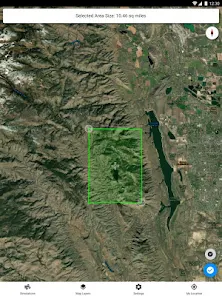
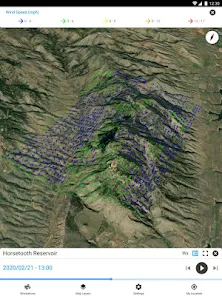
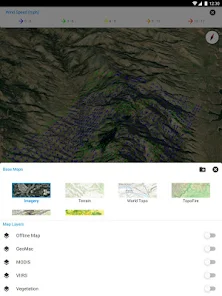
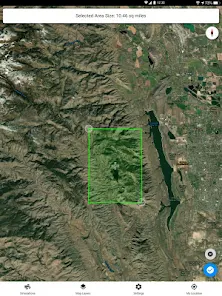
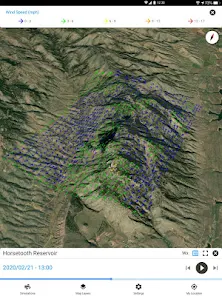
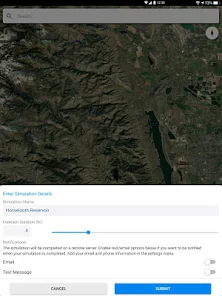
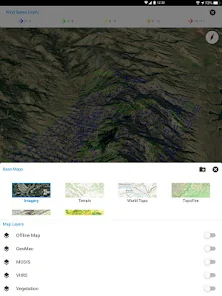
Functionality & Mechanism Developed by the USDA Forest Service, WindNinja Mobile functions as a mobile interface for the WindNinja wind modeling system. The application initiates and visualizes high-resolution, spatially varying wind field simulations for a specified geographic area. It leverages multiple computational solvers, including conservation of mass (COM) and computational fluid dynamics (CFD), to model terrain-influenced wind. The interface facilitates remote execution of these complex simulations to support operational planning in wildland fire management and other environmental fields.
Evidence & Research Context
- An evaluation study comparing the model's computational fluid dynamics (CFD) and conservation of mass (COM) solvers determined that the CFD solver yields superior predictions at windward and lee side locations.
- The system improves near-surface wind forecasts when downscaling numerical weather predictions in complex terrain, particularly for wind direction under high-wind, near-neutral atmospheric stability conditions.
- A diurnal slope flow component integrates sensible surface heat flux and terrain characteristics to simulate thermally driven winds, which demonstrates a qualitative impact on subsequent fire spread simulations.
Intended Use & Scope This system is intended for wildland fire managers, incident meteorologists, and researchers requiring high-resolution wind field simulations in complex terrain. Its primary utility is as an operational decision-support tool. The model provides diagnostic wind adjustments and does not replace comprehensive meteorological forecasts; accuracy may vary with atmospheric stability and local conditions.
Studies & Publications
Peer-reviewed research associated with this app.
Development and evaluation of a Reynolds-averaged Navier-Stokes solver in WindNinja for operational wildland fire applications
Wagenbrenner et al. (2019) · Atmosphere
Accurately predicted wind patterns in complex terrain, outperforming the standard model.
Downscaling surface wind predictions from numerical weather prediction models in complex terrain with WindNinja
Wagenbrenner et al. (2016) · Atmospheric Chemistry and Physics
Improved wind forecasts during high-wind conditions but showed inconsistent results in variable atmospheric conditions.
In the Media
AI is ready to help fight wildfires, and the 'WindNinja' is next
The National Oceanic and Atmospheric Administration (NOAA) launched the NOAA Fire Weather Testbed in June 2023 at NOAA's Global Systems Laboratory in Boulder to address mounting concerns about wildfire ferocity and the need for better wildfire technology research. The WindNinja tool represents next-generation AI-ready technology for fighting wildfires. The testbed focuses on advancing research and tools for wildfire prediction and management.
Fighting Fire with WindNinja Mobile
More than 6.5 million acres in the United States burned during 2021, with much of the destruction fueled by the dangerous combination of wildfire and wind that changes direction, intensity, and speed throughout the day. Wind variability contributes to wildfire spread and has cost firefighters' lives. WindNinja Mobile provides critical wind prediction tools to help firefighters anticipate and respond to changing wind conditions during wildfire events.
App Information
Category
Evidence Profile
Validated with strong research evidence
Platforms
Updated
Oct 2022
© 2025 United States Department of Agriculture