
Insomnia Coach
Shows promise in preliminary research
App Summary
App Screenshots
Detailed Description
Functionality & Mechanism
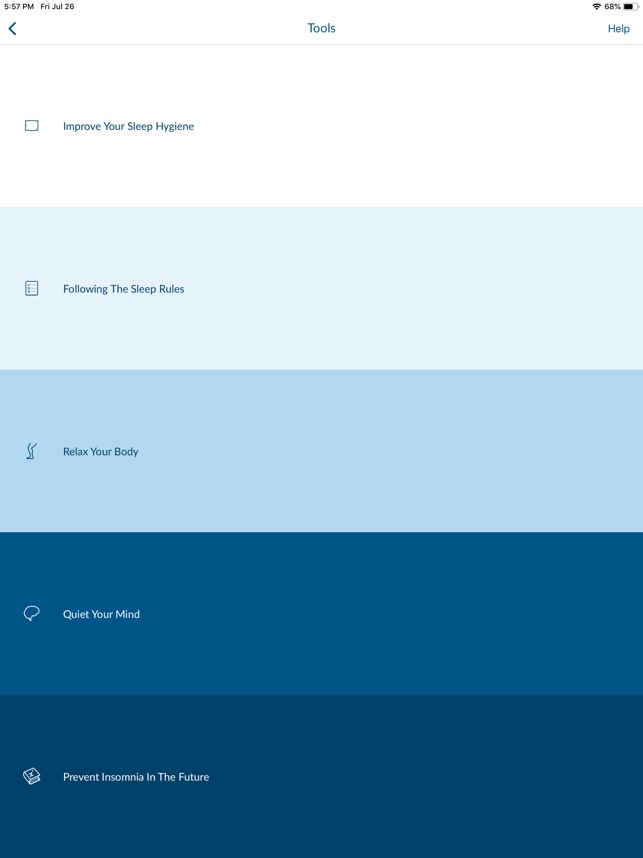
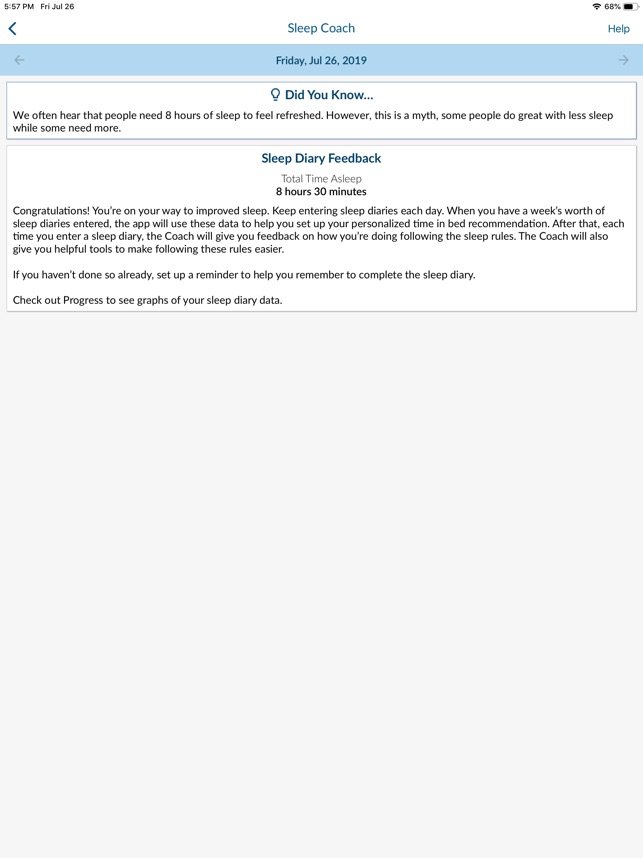
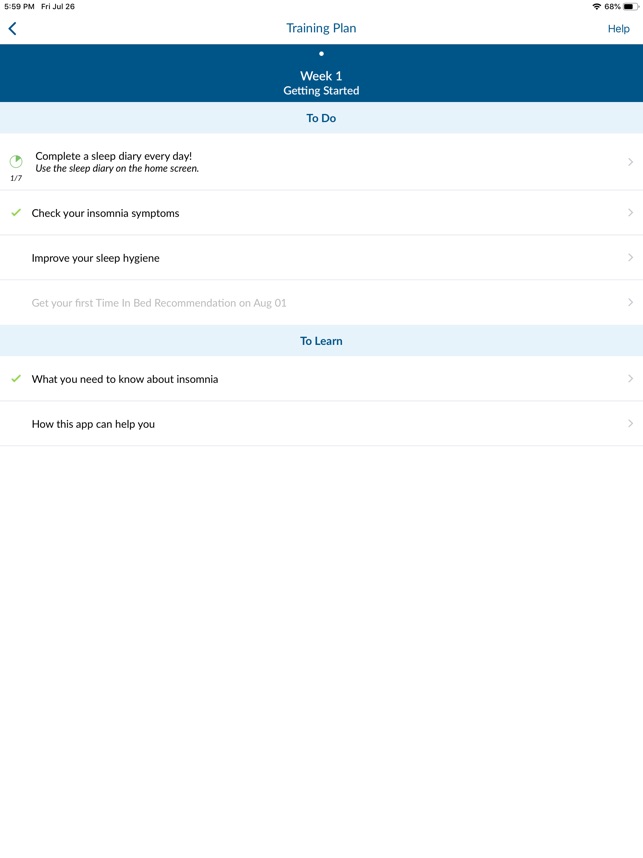
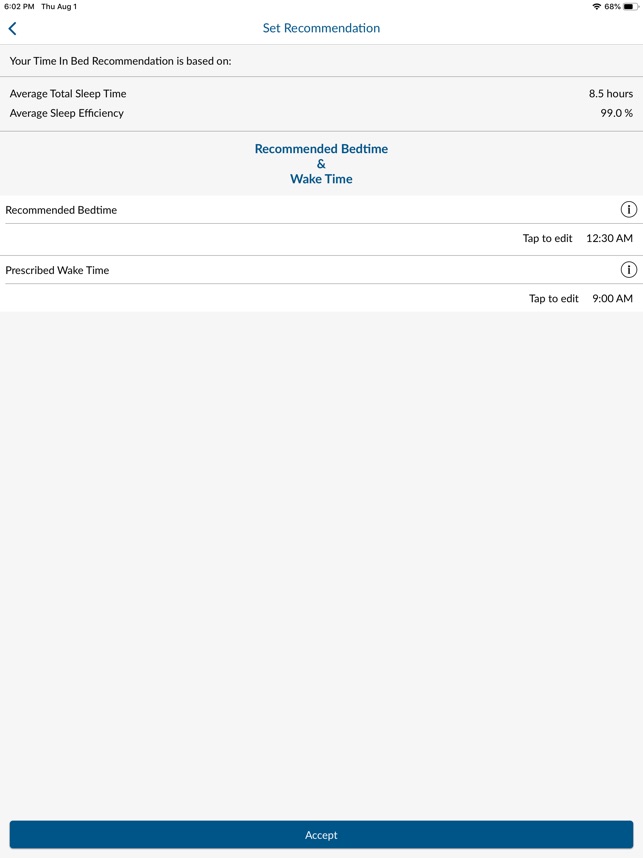
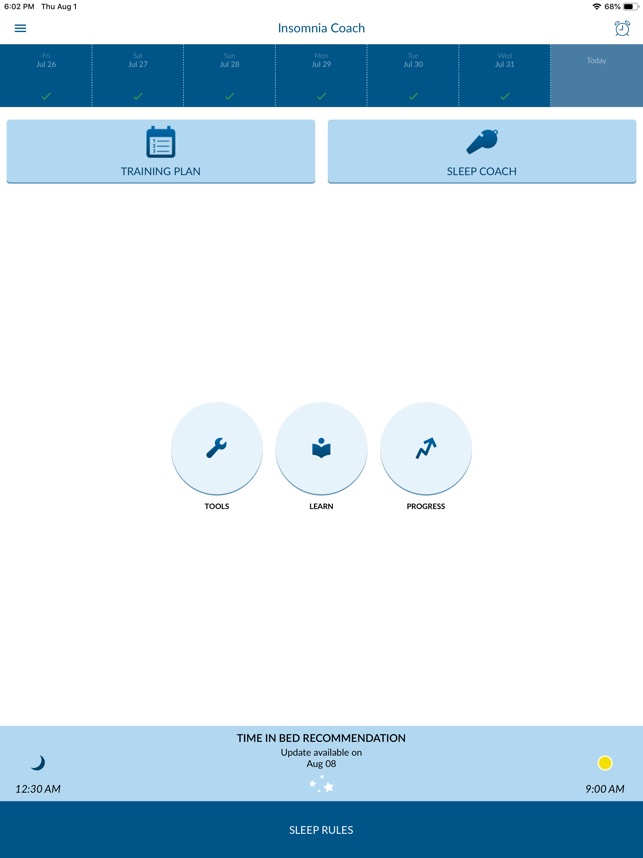
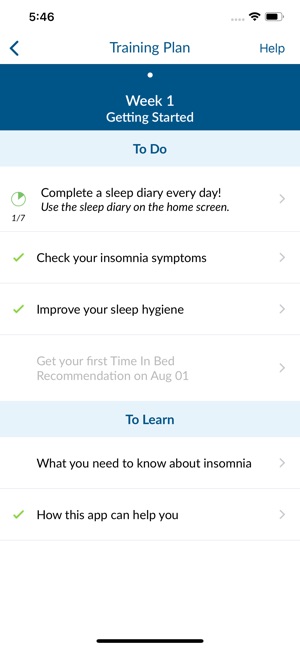
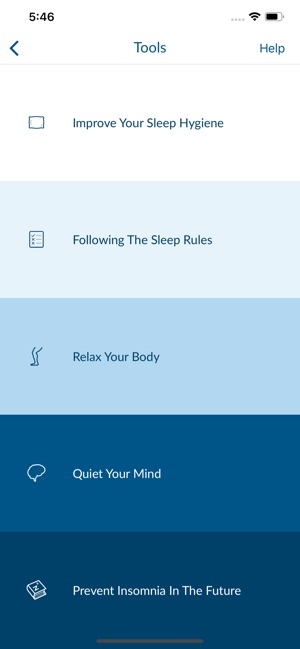
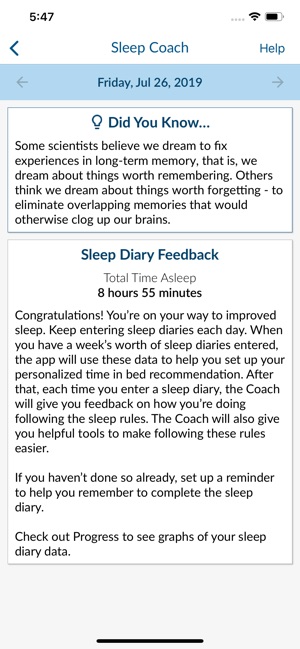
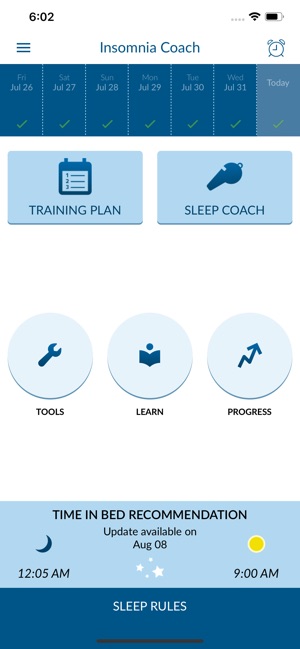
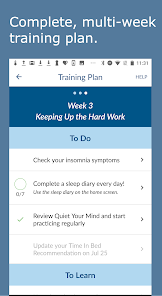
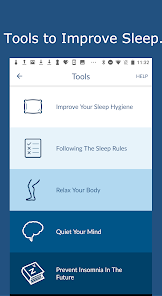
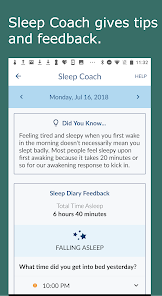
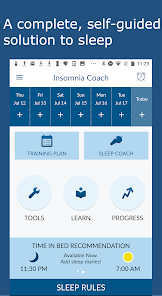
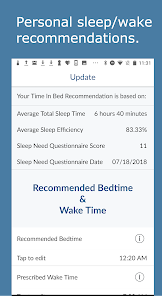
Developed by the VA's National Center for PTSD, Insomnia Coach delivers a structured digital intervention grounded in Cognitive Behavioral Therapy for Insomnia (CBT-i). The system guides users through a five-week training plan that incorporates a personalized coaching feature, an interactive sleep diary to capture daily metrics, and 17 distinct tools designed to reinforce CBT-i principles. The interface facilitates the tracking of sleep patterns and the implementation of evidence-based strategies to improve sleep quality over time.
Evidence & Research Context
- A pilot randomized controlled trial (N=50) of military veterans with moderate insomnia evaluated the app's potential efficacy, feasibility, and acceptability over a six-week period.
- At post-treatment, a significantly larger proportion of the Insomnia Coach group (28%) achieved clinically significant improvement compared to the wait-list control group (4%).
- At the 12-week follow-up, the intervention demonstrated significant treatment effects for insomnia severity (d=-1.1), sleep onset latency (d=-0.6), and global sleep quality (d=-0.9).
- The study also established the app's feasibility and acceptability, with three-quarters of participants using the app for the full six weeks and reporting favorable perceptions.
Intended Use & Scope
This app is designed as a self-management tool for adults, including military veterans and servicemembers, experiencing symptoms of insomnia. Its primary utility is as an accessible public health intervention delivering CBT-i principles. The system is intended to augment, not replace, professional care; individuals with severe or complex symptoms should consult a healthcare provider.
Studies & Publications
Peer-reviewed research associated with this app.
A Pilot Randomized Controlled Trial of the Insomnia Coach Mobile App to Assess Its Feasibility, Acceptability, and Potential Efficacy
Acceptability et al. (2021) · Behavior Therapy
Veterans found the app acceptable and experienced significant insomnia improvement.
In the Media
Cancer Survivorship Care At VA
The VA developed Insomnia Coach to help Veterans improve their sleep through virtual resources, particularly supporting cancer survivors dealing with sleep challenges during their recovery journey. The app serves as part of VA's comprehensive survivorship care approach, as highlighted during National Cancer Survivor Month when VA spotlighted "the many ways they can find support at VA beyond their cancer treatment."
Sleep Better During the Pandemic
The VA developed Insomnia Coach to help Veterans and others struggling with sleep problems during the COVID-19 pandemic, using a research-based approach that changes behaviors and thoughts to improve sleep. The app features a five-week daily training plan where users log their sleep each morning and receive personalized feedback, plus 17 tools for various sleep challenges. According to the VA, fifty percent of Veterans enrolled in VA health care have insomnia, making this standalone education and self-care tool particularly valuable during social distancing.
App Information
Developer
US Department of Veterans AffairsCategory
Evidence Profile
Shows promise in preliminary research
Platforms
Updated
Jun 2025
© 2025 US Department of Veterans Affairs