myCircadianClock
Validated in clinical trials
App Summary
App Screenshots
Detailed Description
Functionality & Mechanism
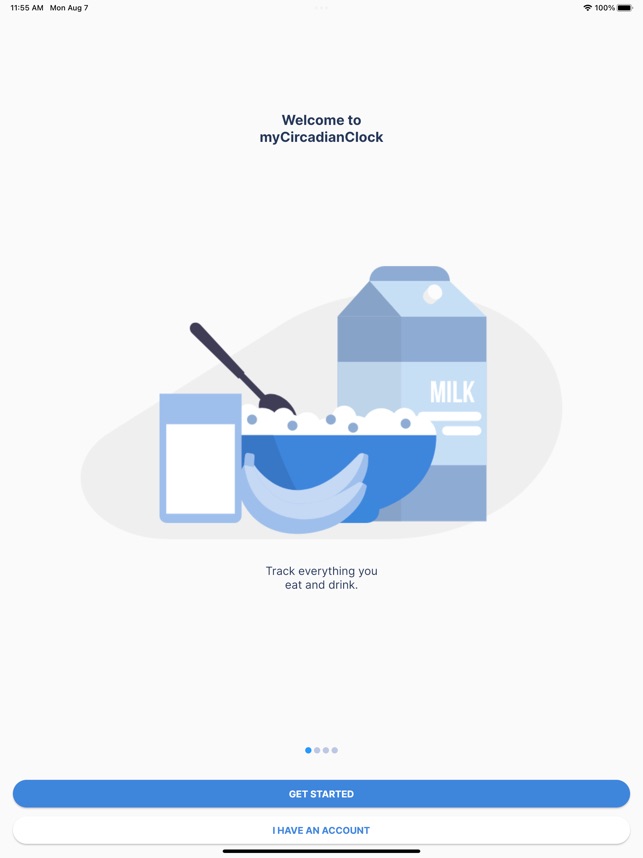
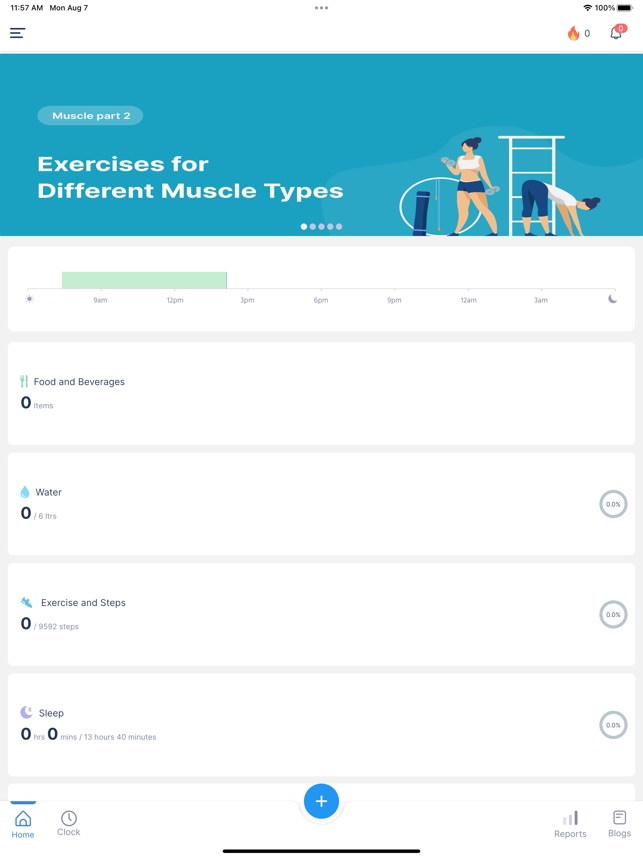
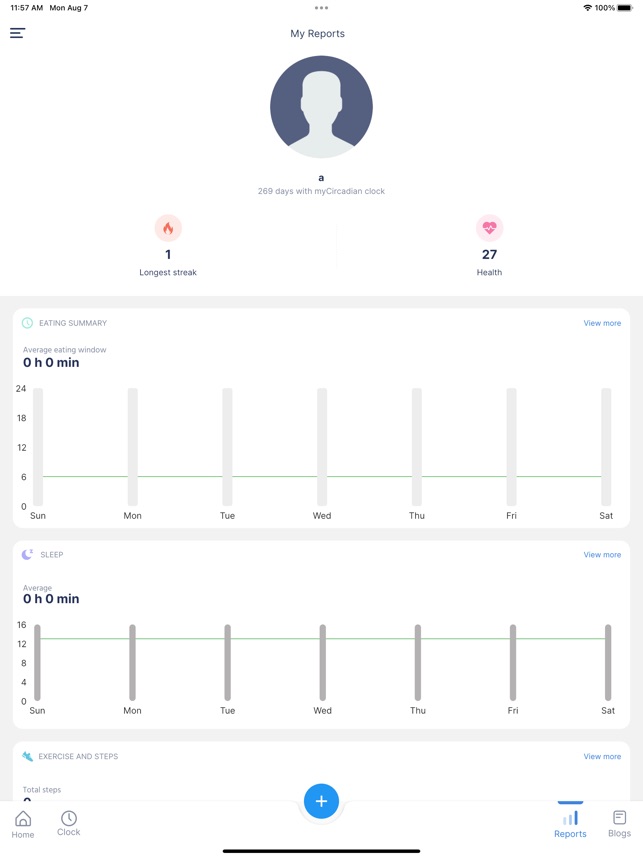
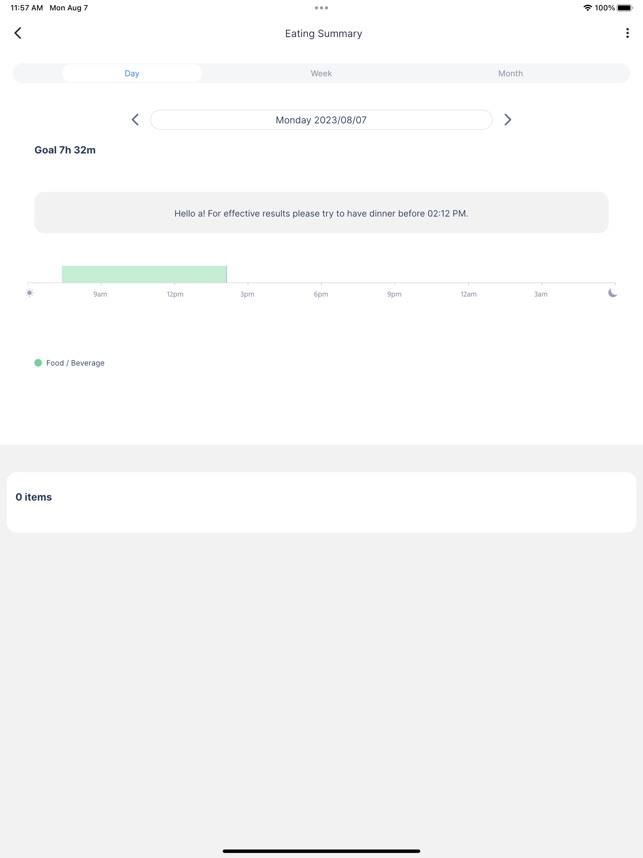
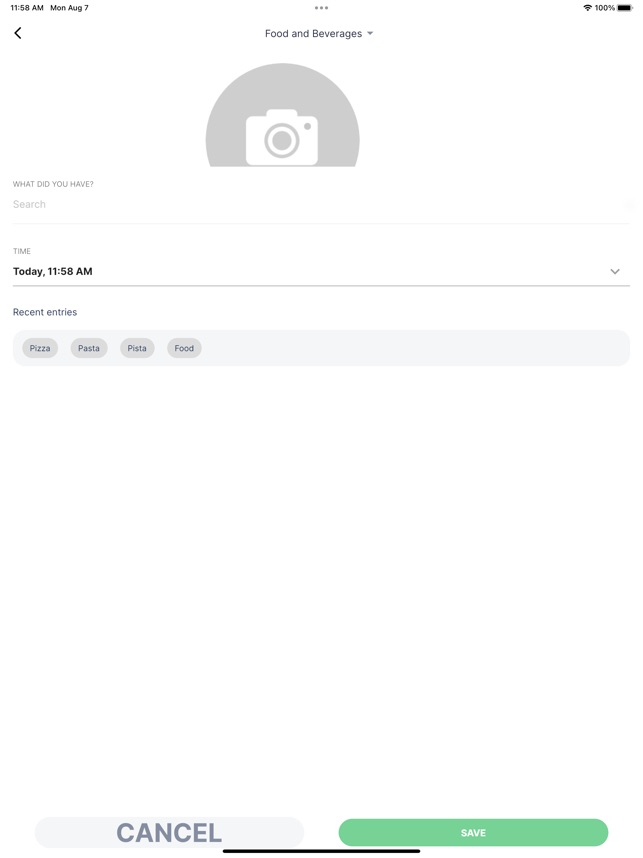
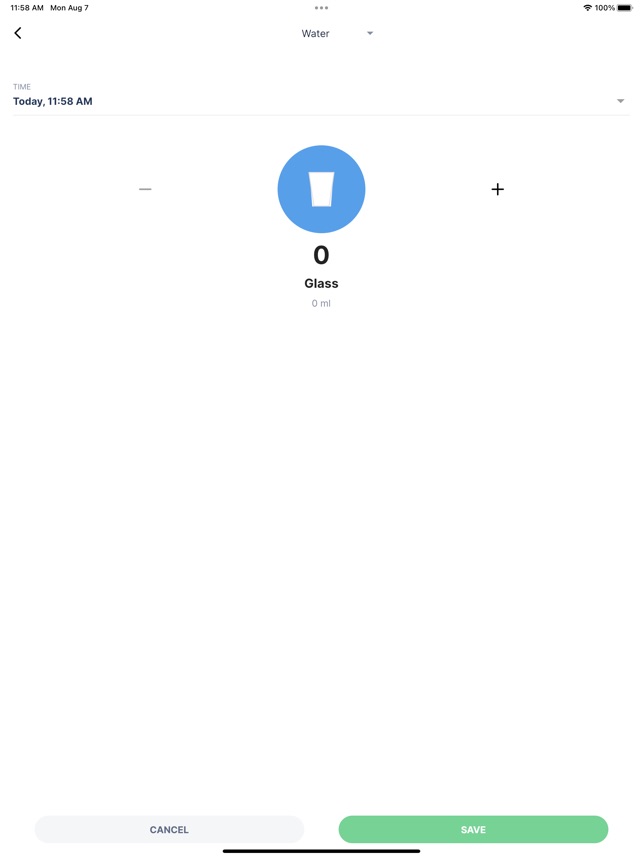
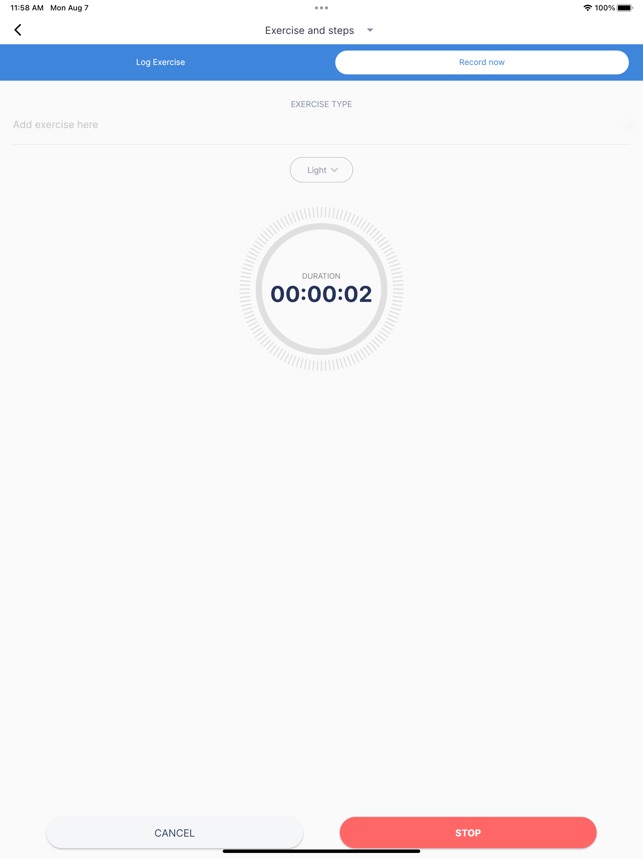
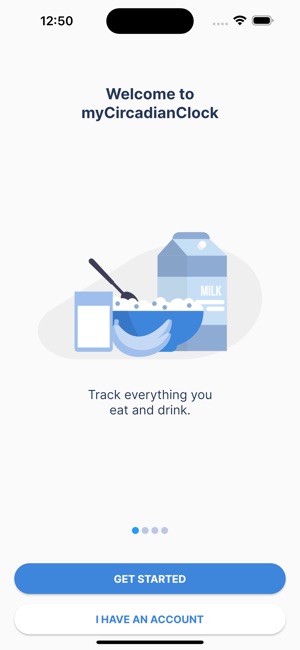
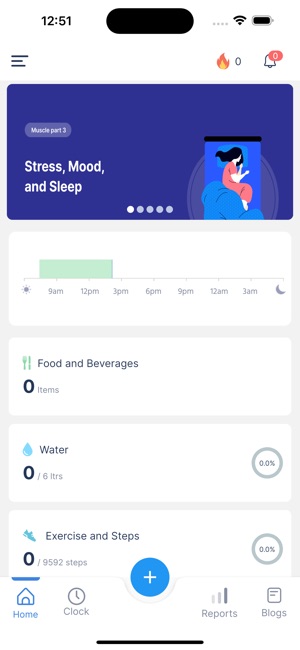
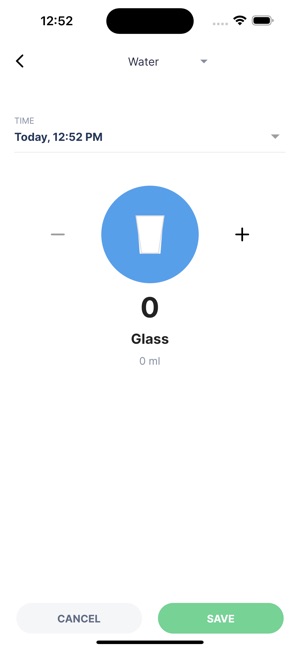
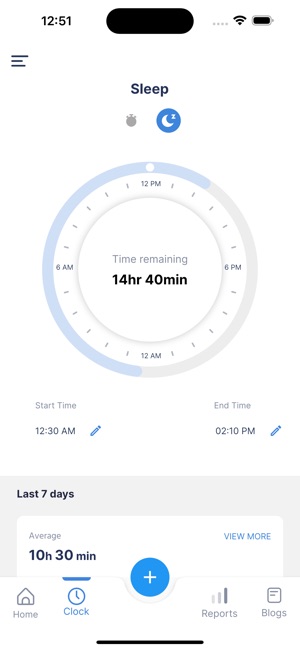
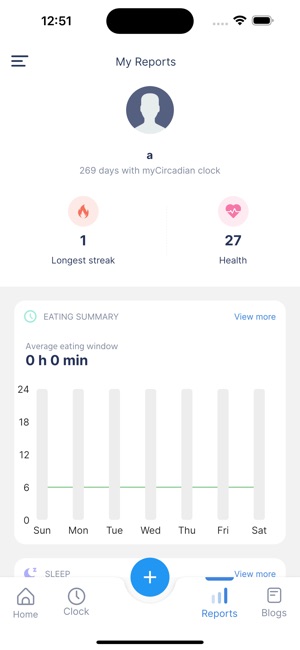
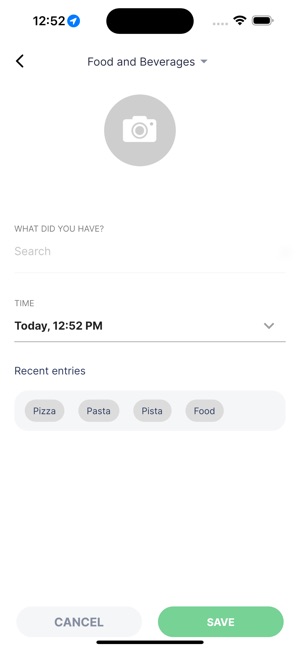
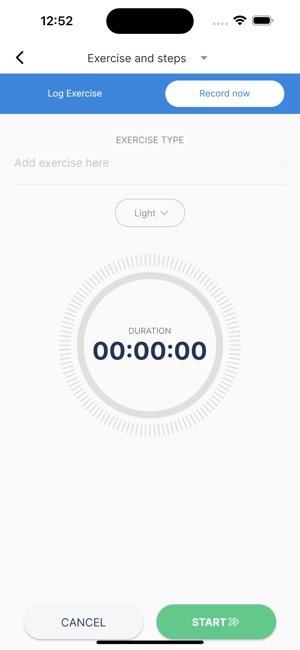
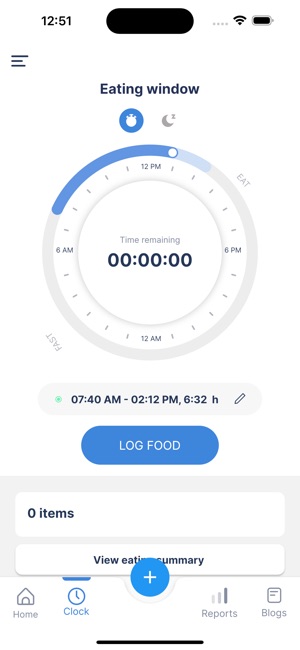
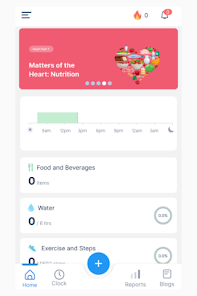
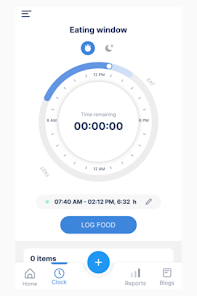
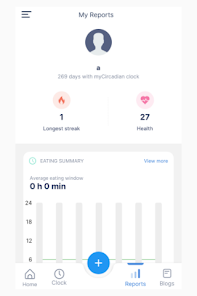
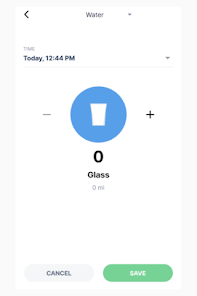
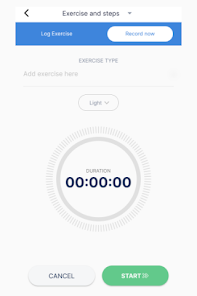
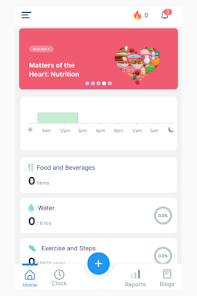
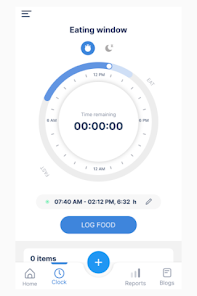
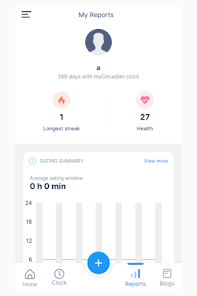
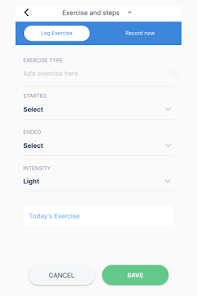
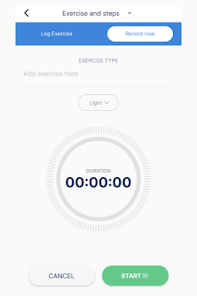
myCircadianClock is a data collection platform developed for clinical research investigating circadian rhythms. The system captures longitudinal data on nutrition, sleep, and physical activity. Its core functionality facilitates the logging of all food and beverage intake via time-stamped photographs, reducing participant reporting burden. Additional modules capture sleep duration and exercise events. The platform visualizes dietary patterns for participants and researchers via a "feedogram," and integrates HealthKit data to provide a comprehensive view of daily behaviors for research analysis.
Evidence & Research Context
- Research utilizing the app found that free-living adults often have erratic daily eating durations exceeding 14 hours, with over 35% of caloric intake occurring after 6 p.m.
- A preliminary study documented that overweight individuals using the app to facilitate a 10–11 hour time-restricted eating window reduced body weight and reported improved sleep and energy.
- In a small randomized trial (N=20) of adults with a BMI ≥25, the app was used to track intake, showing that a time-restricted eating intervention significantly reduced eating occasions and snack consumption.
- The platform is designed as a research tool for capturing high-resolution, real-time temporal data on chrononutrition, addressing a key limitation of traditional dietary recall methods.
Intended Use & Scope
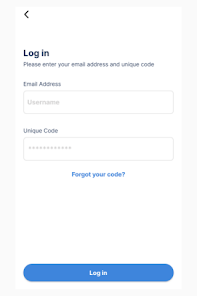
This platform is designed exclusively for use by clinical researchers and participants within approved studies. Its primary utility is as a research instrument for high-fidelity, longitudinal data collection on diet, sleep, and activity. The app is not a standalone health intervention or diagnostic tool and requires an activation code from a research coordinator to function.
Studies & Publications
Peer-reviewed research associated with this app.
Assessing temporal eating pattern in free living humans through the myCircadianClock app
Manoogian et al. (2022) · International Journal of Obesity
Describes the research-driven development of this appTime-Restricted Eating Alters Food Intake Patterns, as Prospectively Documented by a Smartphone Application
Dong et al. (2020) · Nutrients
Time-restricted eating reduced eating occasions by 28% and decreased snacks and caffeinated beverages.
In the Media
Study: Time-Restricted Eating May Improve Health of Adults with Metabolic Syndrome
UC San Diego School of Medicine and the Salk Institute developed myCircadianClock to help patients with metabolic syndrome track their meals during a time-restricted eating study, using the mobile app to monitor customized 10-hour eating windows. All 108 participants in the TIMET clinical trial logged their meals using the myCircadianClock mobile app, which researchers then reviewed to ensure compliance with personalized eating schedules. The study demonstrated significant improvements in blood sugar, cholesterol, and hemoglobin A1c levels after three months of time-restricted eating.
Time-restricted eating improves health of firefighters
Salk Institute and UC San Diego Health developed myCircadianClock to improve cardiovascular health in shift workers, using time-restricted eating within a 10-hour window. "Our study showed that shift workers with high blood pressure, blood sugar, or cholesterol can benefit from a simple lifestyle intervention called time-restricted eating," says Salk Professor Satchidananda Panda. The clinical trial with San Diego Fire-Rescue Department firefighters demonstrated significant health improvements without adverse side effects.
Clinical study finds eating within a 10-hour window may help stave off diabetes, heart disease
Salk Institute and UC San Diego researchers developed myCircadianClock to help metabolic syndrome patients manage their disease by implementing time-restricted eating within a 10-hour window combined with traditional medications. "Unlike counting calories, time-restricted eating is a simple dietary intervention to incorporate, and we found that participants were able to keep the eating schedule," says Satchidananda Panda, co-corresponding author from Salk's Regulatory Biology Laboratory. The pilot study published in Cell Metabolism found participants experienced weight loss, reduced abdominal fat, and improved blood pressure and cholesterol levels.
Could when you eat be as important as what you eat?
Researchers have identified that the body's suprachiasmatic nucleus (SCN) serves as a central timekeeper that coordinates appetite and metabolism with natural 24-hour cycles, creating optimal eating times in the morning and early evening. The SCN works alongside secondary clocks in peripheral tissues and organs that respond to external cues called zeitgebers to regulate digestion, absorption and metabolic processes. Emerging evidence suggests that overriding this natural eating schedule can have severe consequences for health and weight management.
Mobile app records our erratic eating habits - Salk Institute for Biological Studies
Salk Institute scientists developed myCircadianClock to objectively study the effects of timing food intake in humans, using a mobile research app to collect daily food and beverage intake data. The app revealed that over 150 participants ate for 15 hours or longer, with less than a quarter of daily calories consumed before noon and over a third after 6 p.m. Researchers used this data to test whether reducing daily eating duration could prevent "metabolic jetlag" and improve health outcomes.
App Information
Category
Evidence Profile
Validated in clinical trials
Platforms
Updated
Aug 2026
© 2025 Salk Institute for Biological Studies